Overview
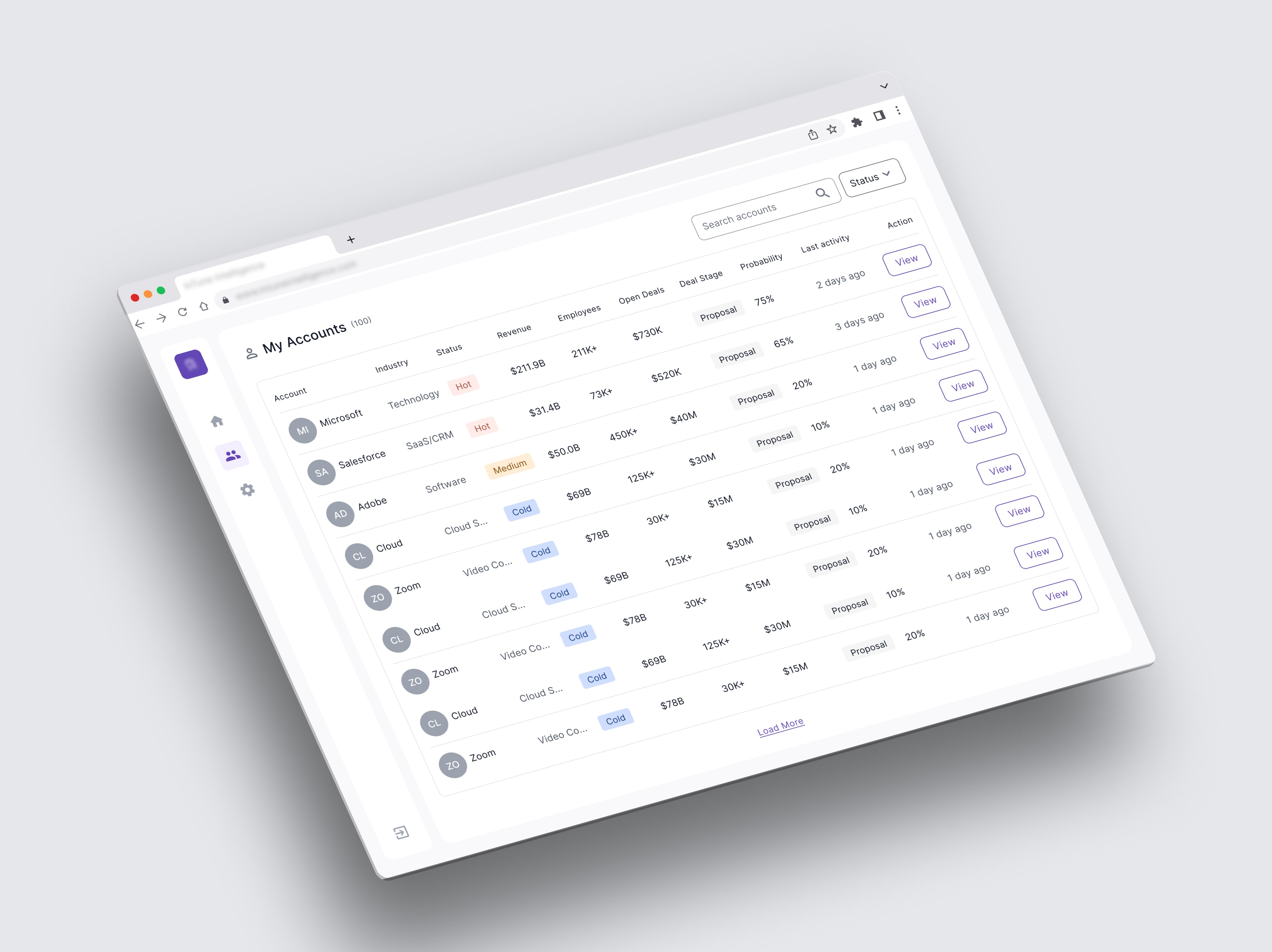
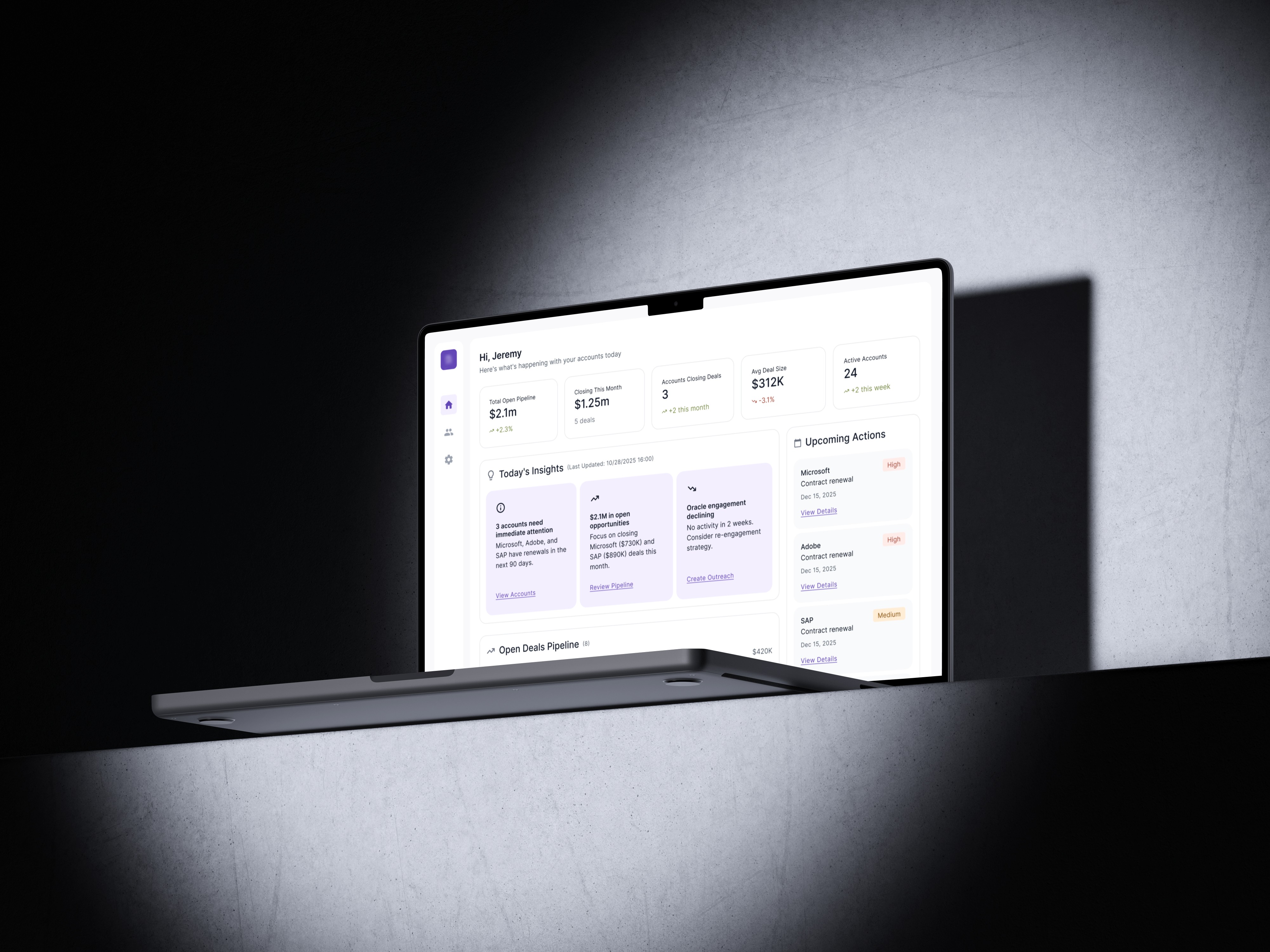
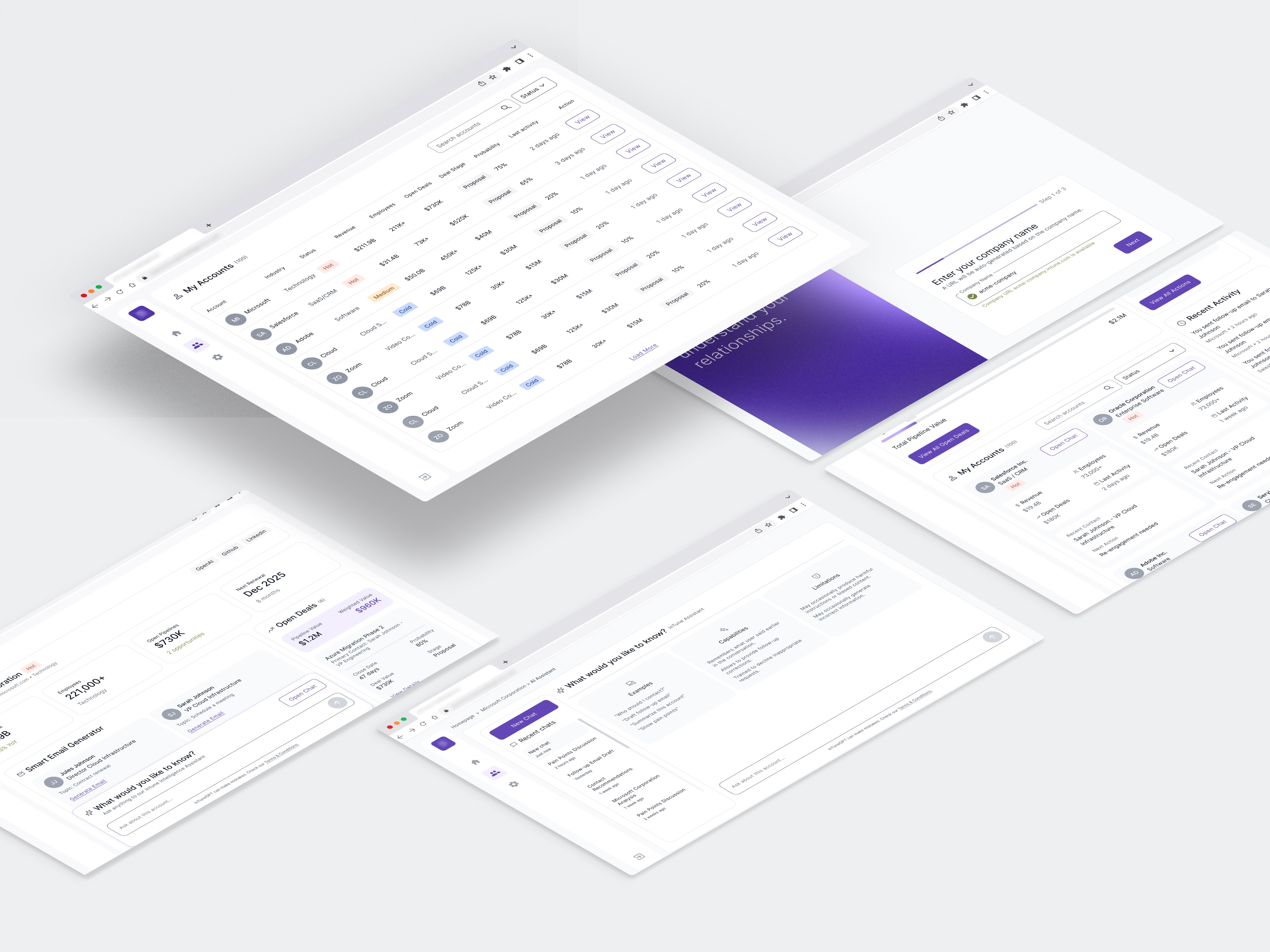
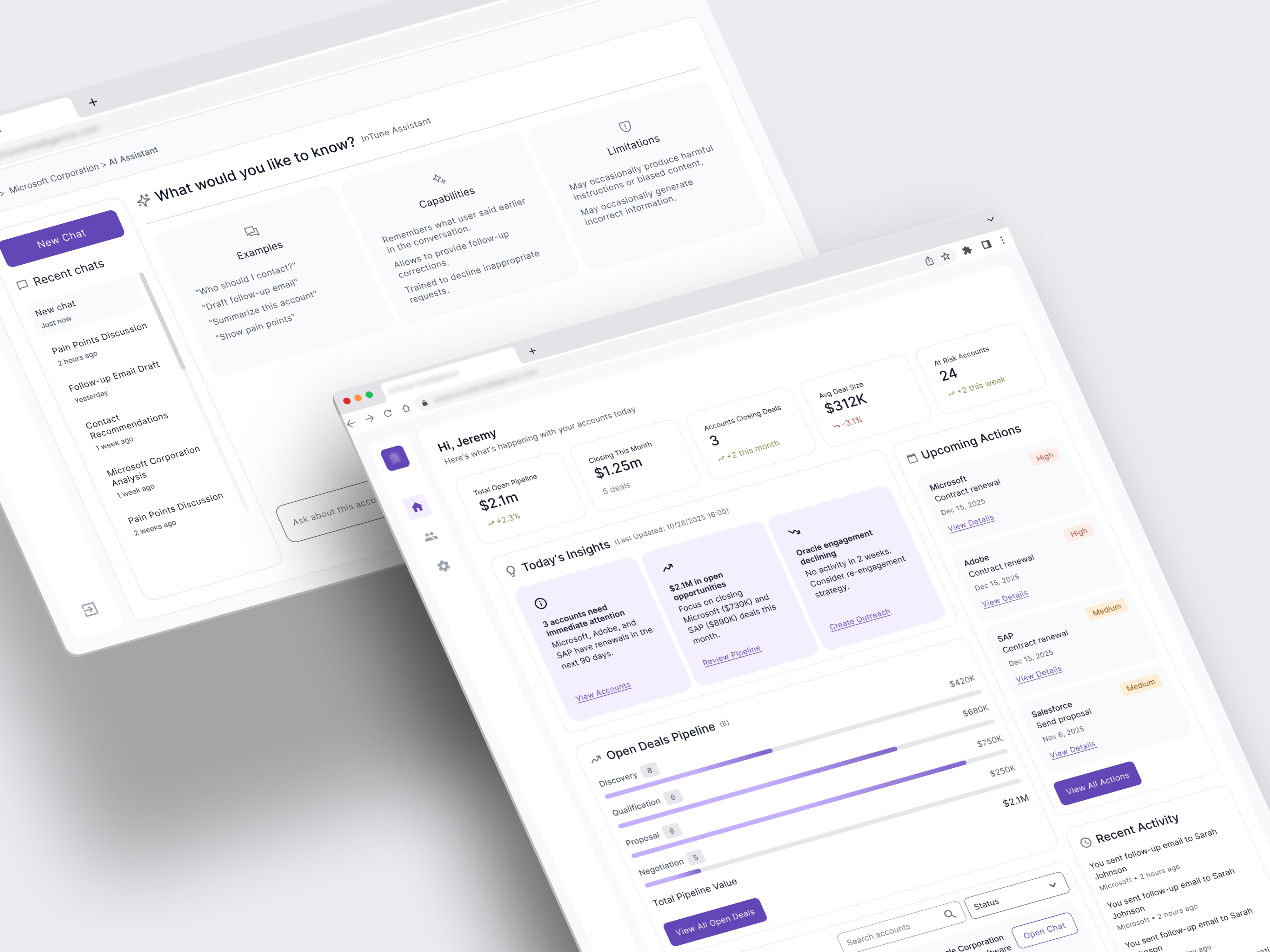
This project focused on the design inception phase of a B2B AI-driven SaaS platform. The client needed clarity before scaling: how the product should be structured, how different user roles interact with it, and how to reduce cognitive friction in a complex data environment.
Challenge
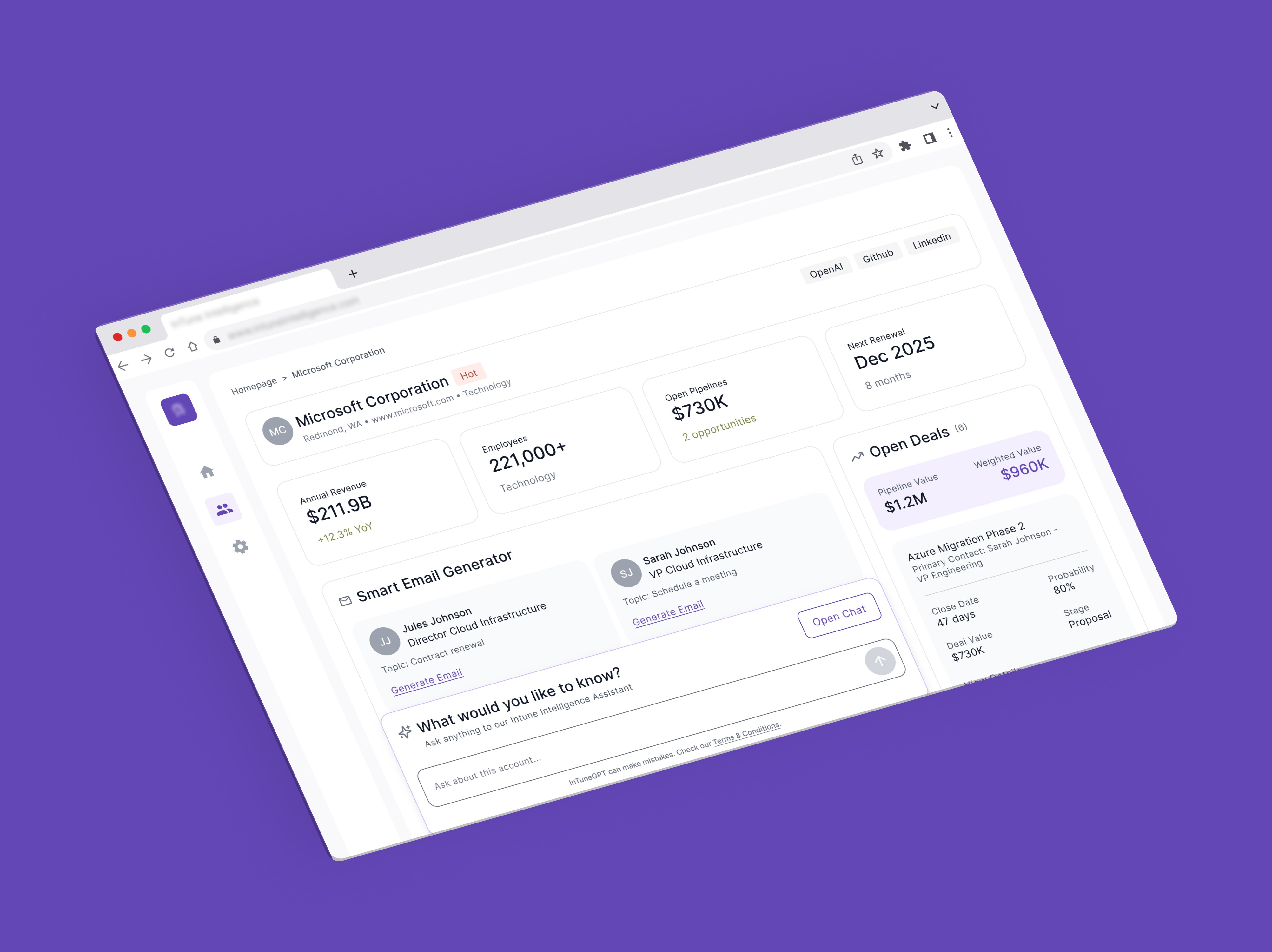
The platform had strong technical capabilities but lacked a shared UX foundation. Navigation, feature ownership, and role-based workflows were unclear, creating friction for both users and internal teams.
Approach
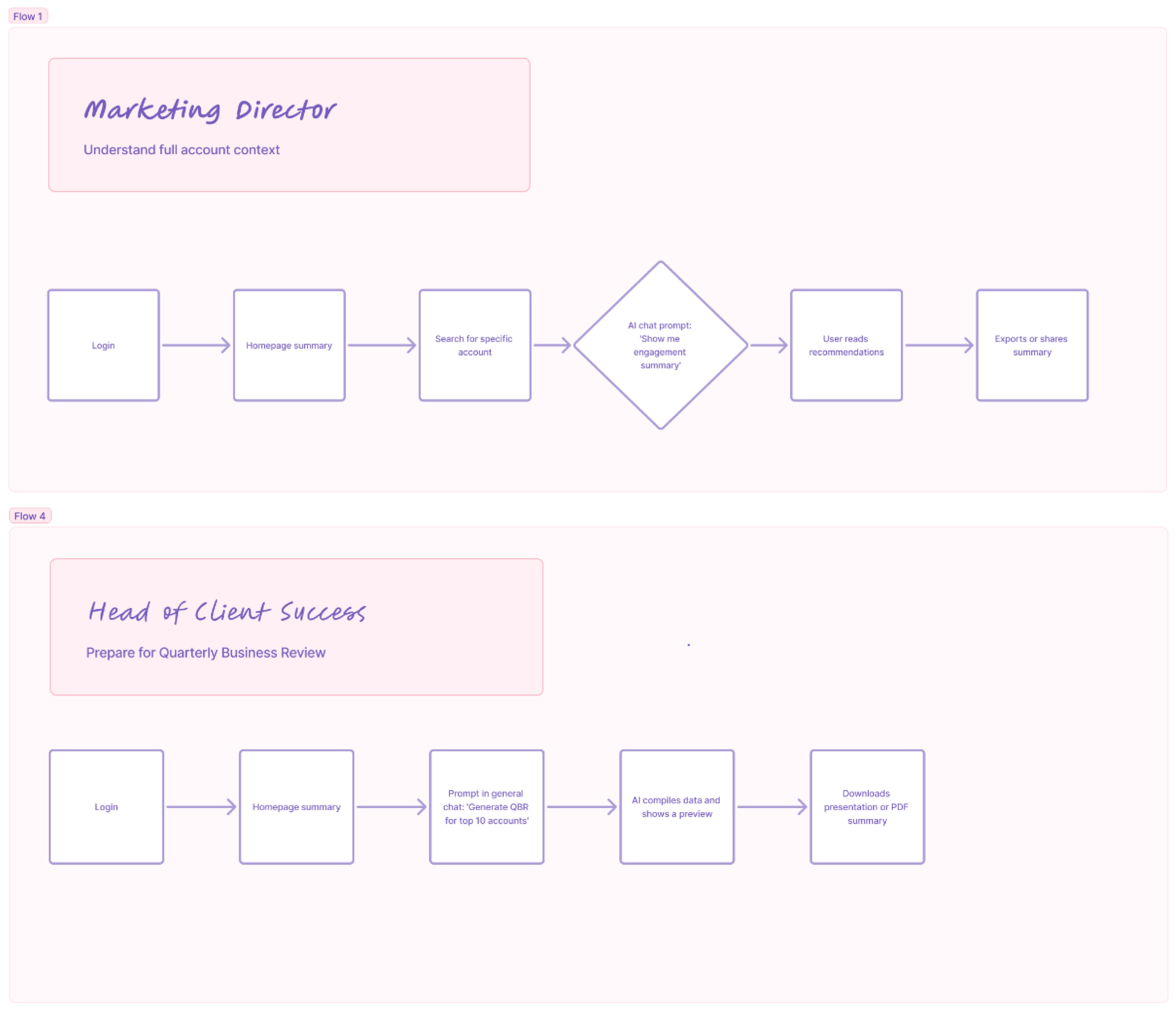
I led the UX inception by aligning stakeholders, defining core user roles and workflows, and creating a scalable information architecture. The focus was on simplifying complexity and enabling confident, role-based decision-making before moving into UI design.
User Personas
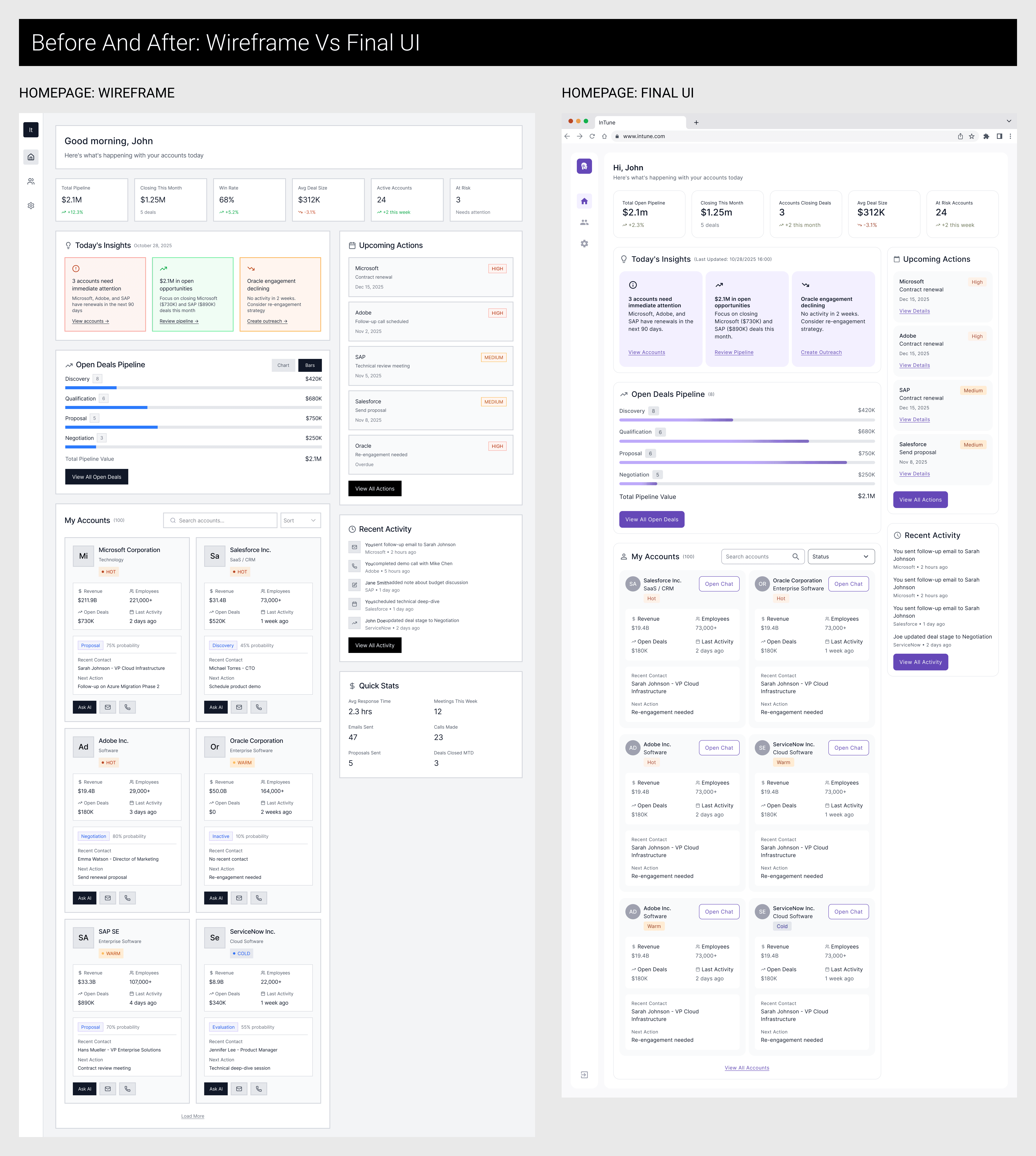
Wireframe vs Final UI
Onboarding Flow
We designed onboarding as a role-aware wizard: first, users select their profile (Ops, Risk, Partnerships), then the system auto-loads the datasets, dashboards, and alerts relevant to that role. Progressive disclosure keeps advanced settings hidden until the user proves they need them, reducing the overwhelm that originally stalled adoption.

AI Assistant Flow
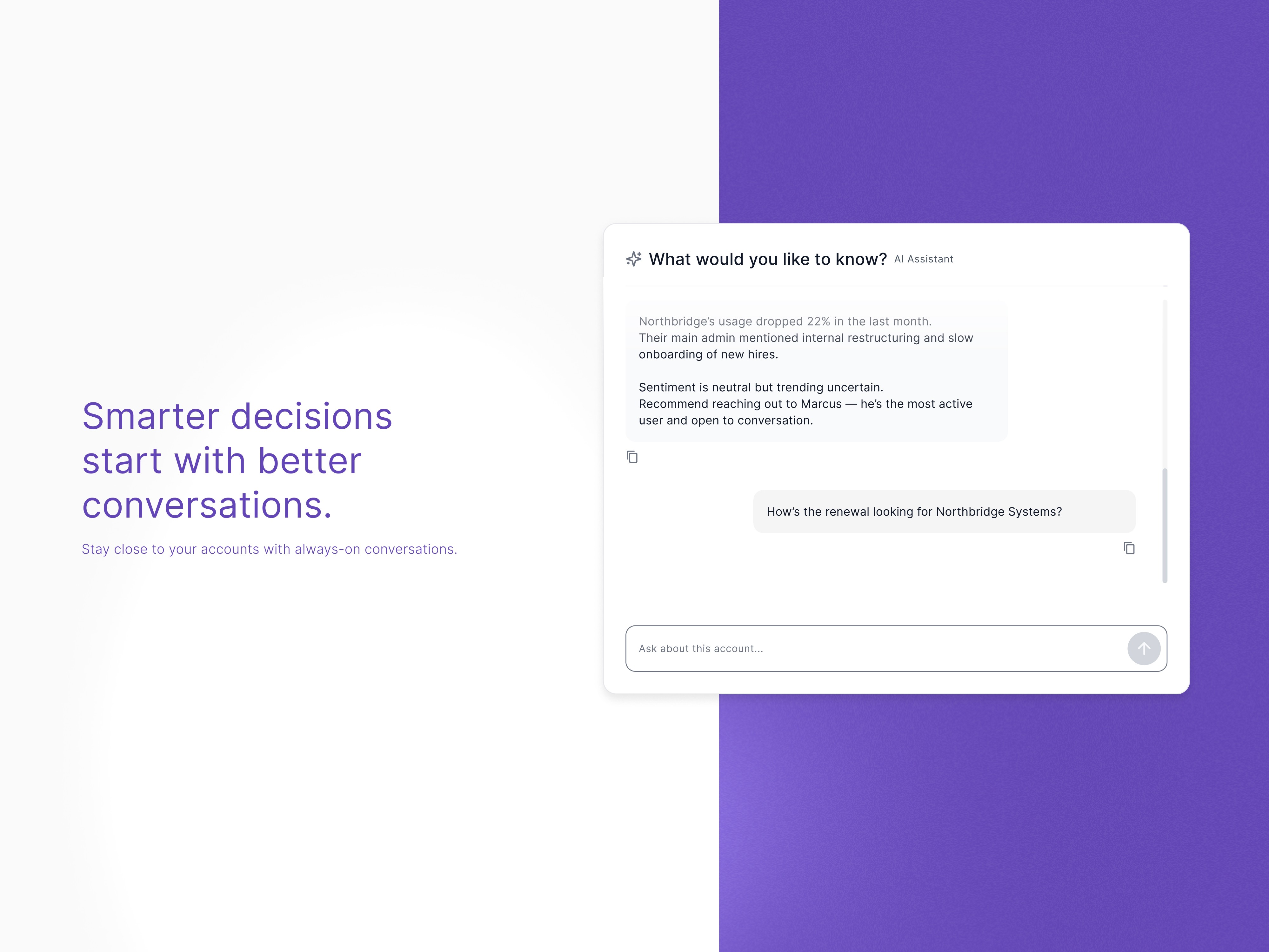
The assistant acts like a copilot layered over the core SaaS experience. Users can ask for insights (“Show partner merchants at risk this week”), trigger automations or request explanations of anomalous spikes.

AI Assistant Prototype

Outcome
The result was a clear UX blueprint that reduced product risk, aligned teams, and provided a solid foundation for future design and development.