Mercado Pago QR Code Payments
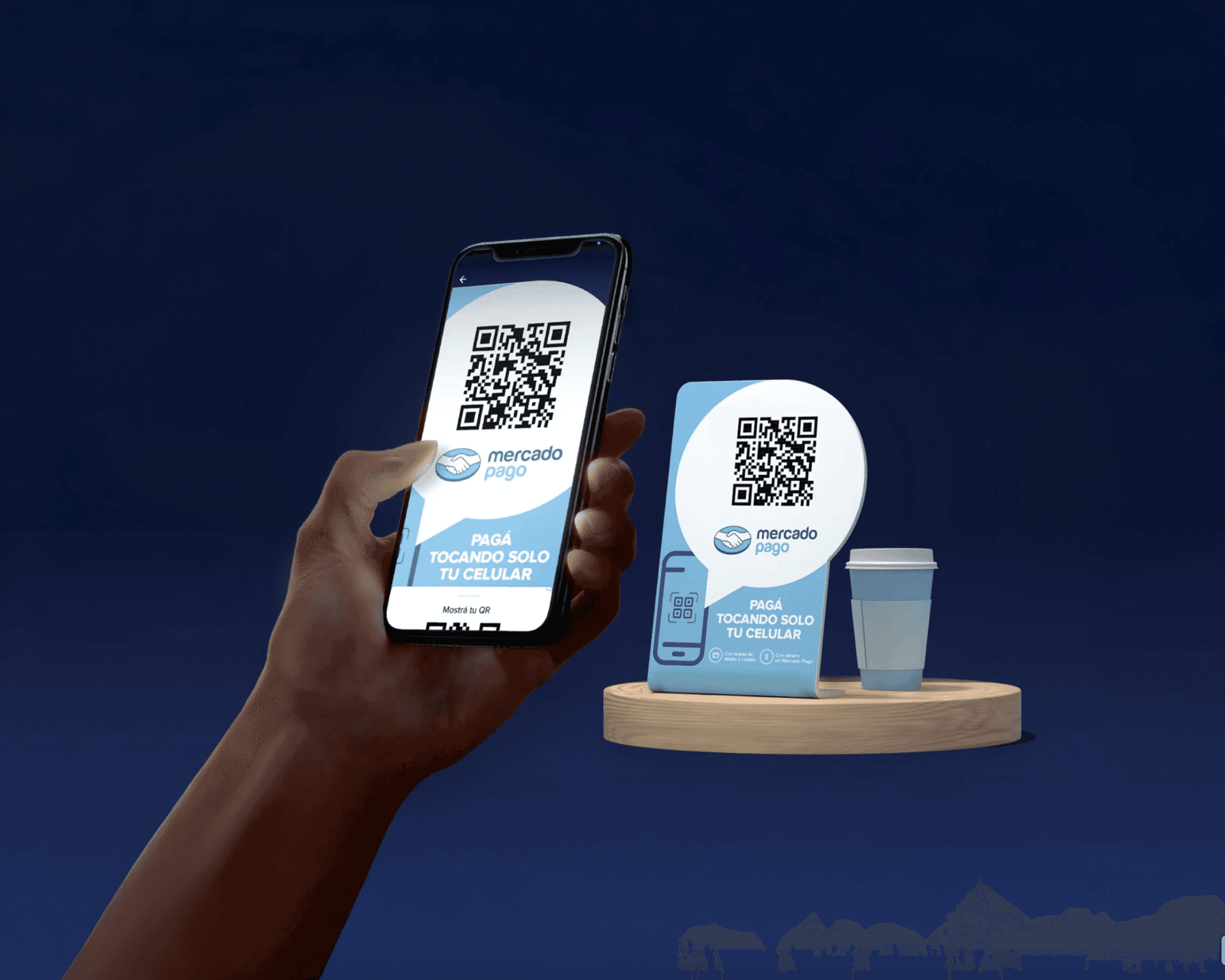
Mercado Pago has become a major driver of financial inclusion in Latin America, allowing people without traditional bank accounts to make payments, save, and even access credit. For context, in many countries in LATAM, QR code payments via Mercado Pago are one of the most common cashless payment methods — especially in Argentina, Brazil, and Mexico.
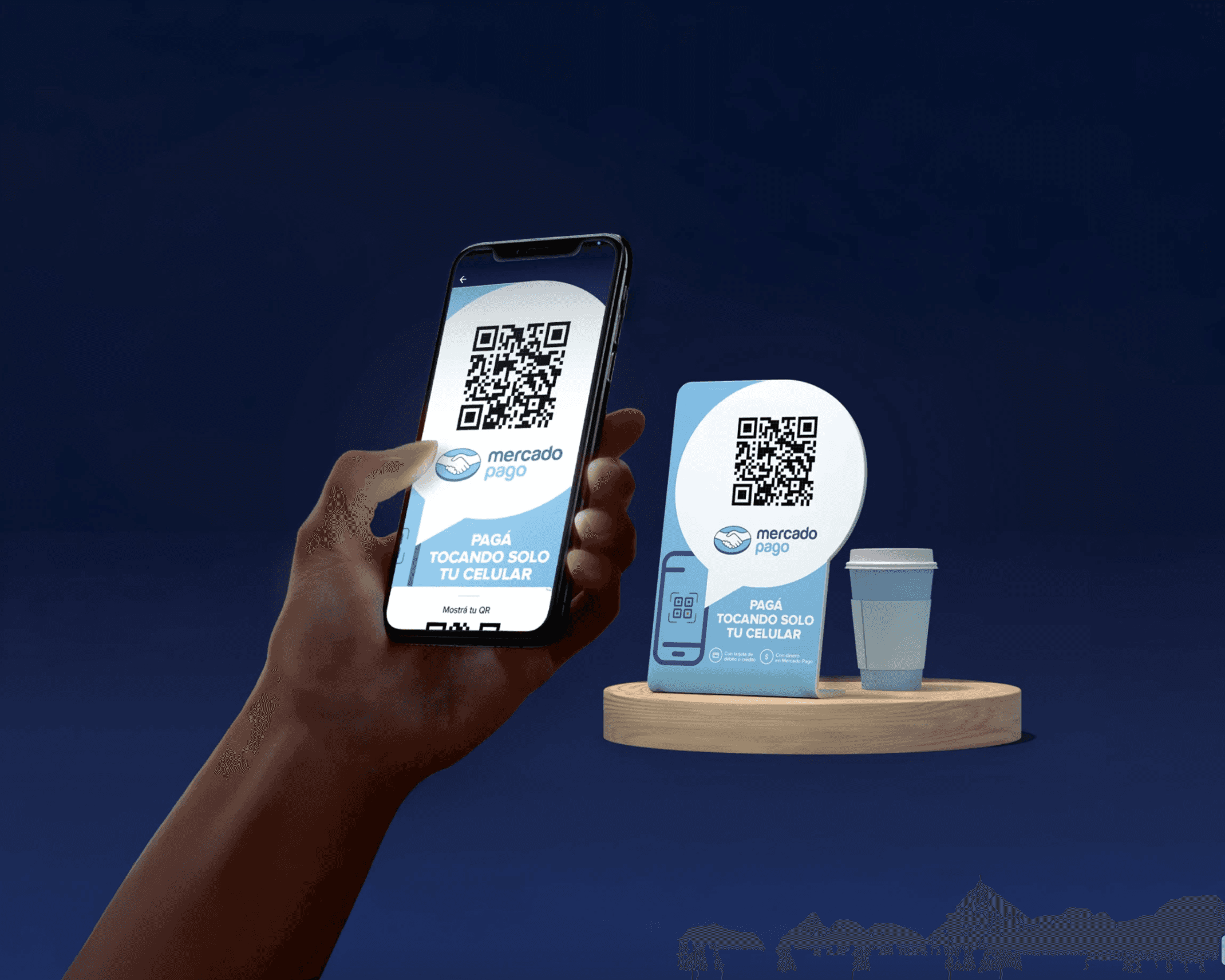
Problem
Mercado Pago wanted to reduce cash dependency by enabling fast, simple QR code payments in physical stores. The experience needed to be intuitive for both users and merchants while building trust and encouraging adoption.
Objectives
Create a frictionless QR payment flow that works across LATAM markets.
Build trust and confidence in the payment process with clear UI and feedback.
Make the solution scalable for millions of users and merchants.
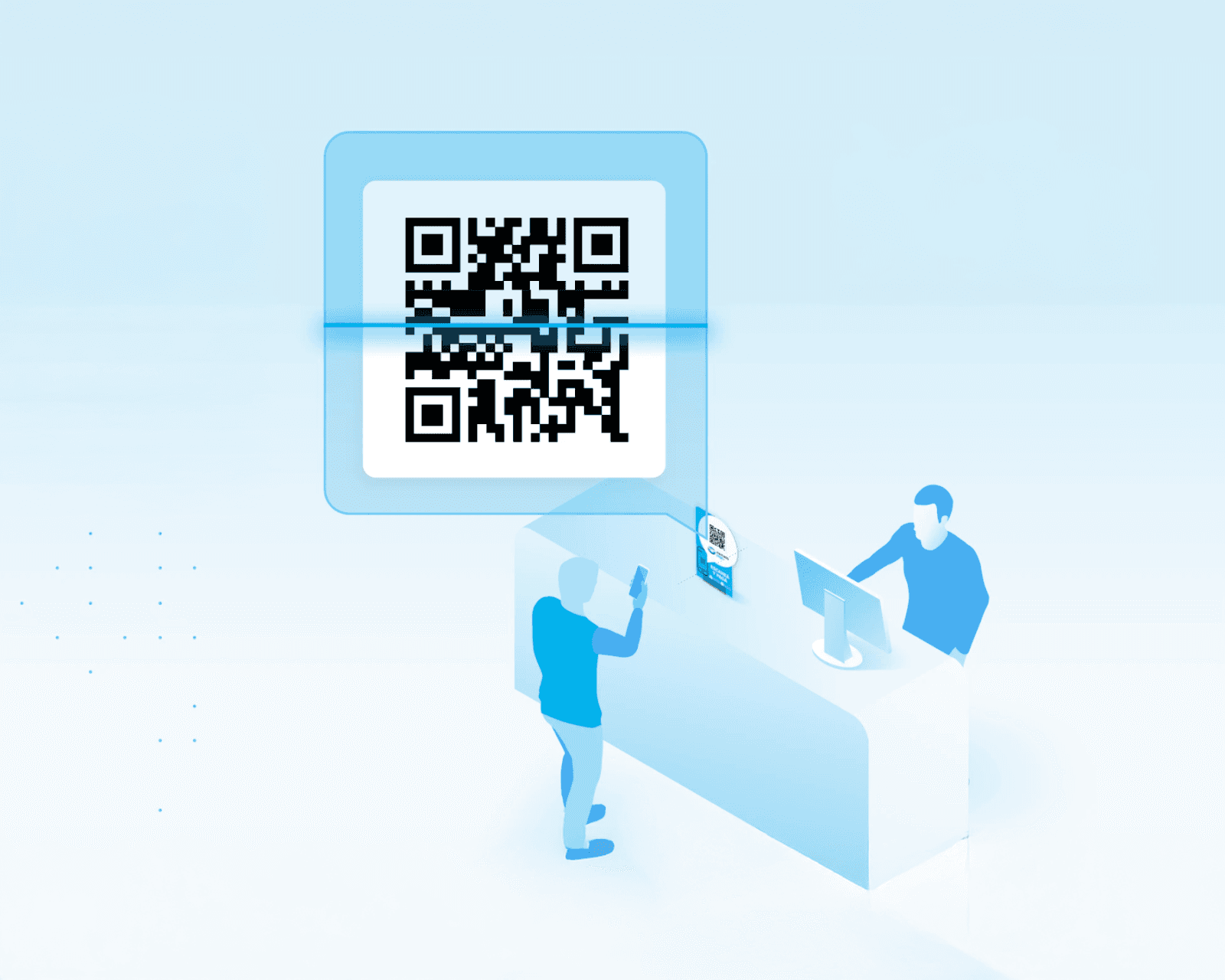
Process
Research & Ideation
Analyzed competitors and user behavior to identify barriers to adoption.
Collected feedback on security concerns and transaction speed expectations.
Design & Prototyping
Designed user flows for both payers and collectors.
Created high-fidelity mockups, motion animations, and prototypes.
Focused on clear visual feedback for scanning, success, and error states.
Testing & Iteration
Ran usability tests with first-time QR users.
Refined copy, error messages, and interaction flow to reduce confusion.
Reduced steps to complete payment, minimizing friction.
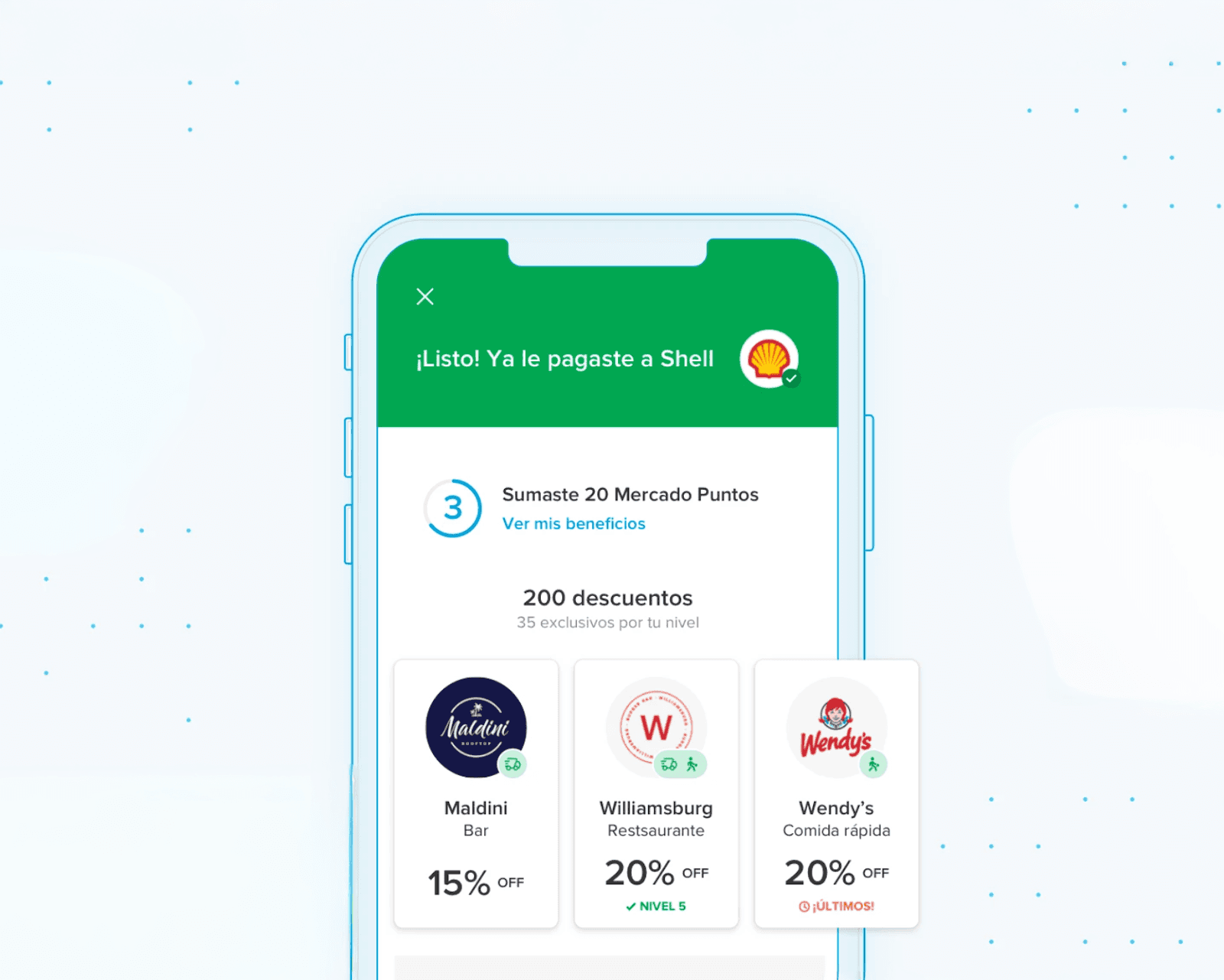
Results
14M people adopted QR payments and started paying with their phones.
+25M transactions completed in August and September 2020.
+8M users made a QR payment since launch in 2018.
+1.2M users collected payments via QR in just two months (Aug–Sep 2020).
These results positioned Mercado Pago as a leader in mobile payments across Latin America, increasing transaction volume and merchant adoption significantly.
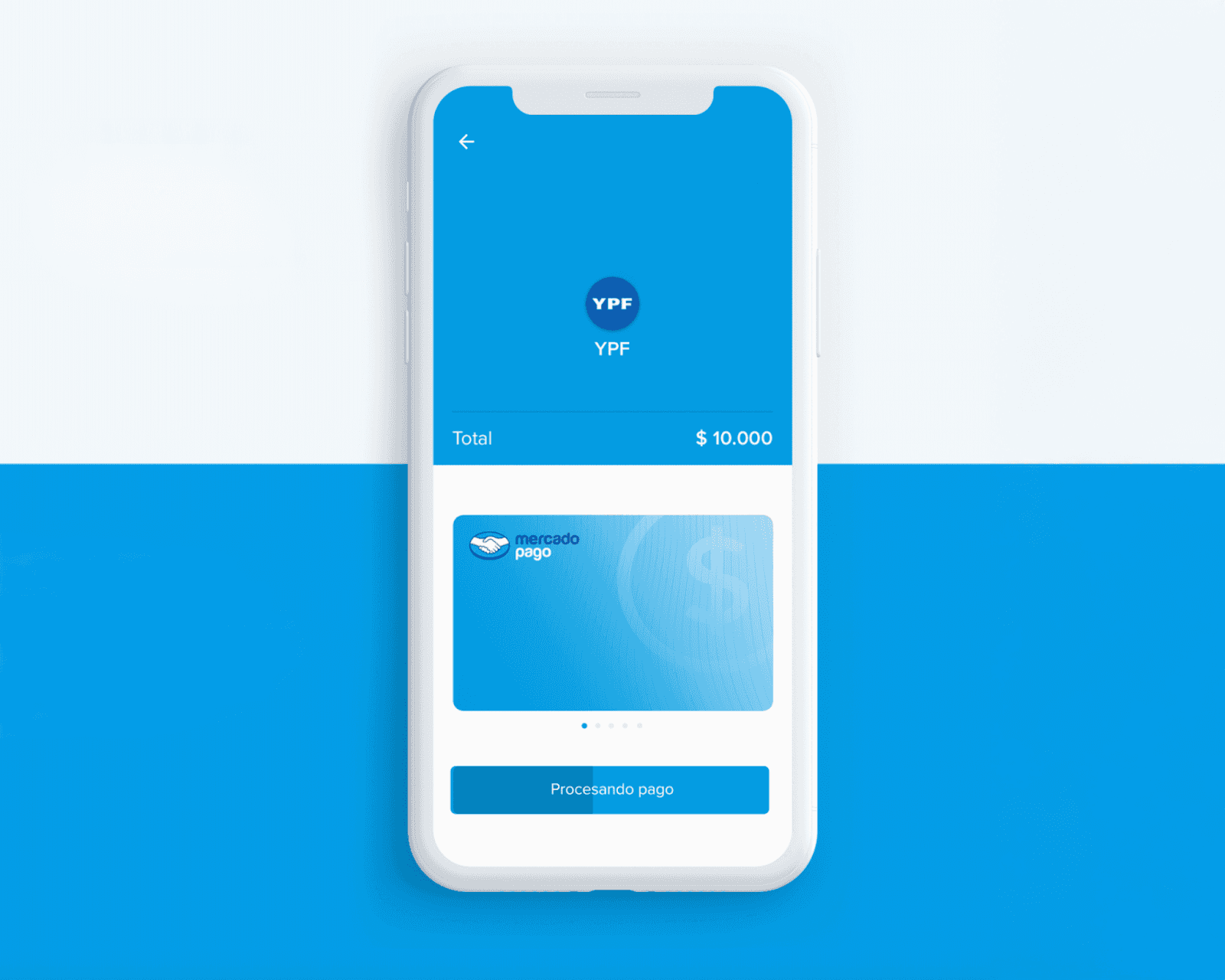
Teamwork
This project was a collaborative effort involving product managers, developers, and designers working together to deliver a scalable, user-friendly solution. The teamwork enabled rapid iteration, cross-functional alignment, and a successful launch that impacted millions of users.